ALLEY CAT RESCUE
  • Home
    • About ACR >
      • Our Team
      • History
      • Board of Directors
      • Email Sign-up
      • Financial Information
    • ACR in the Press
    • ACR Publications
    • Adoptions >
      • Adoption Application
      • Advice for Adopters
    • Frequently Asked Questions
    • Contact Us
    • Partnerships
  • Action Alerts
    • The Feral Fix
    • Spay Neuter Pledge
    • No Declaw Pledge
  • Spay/Neuter
    • Early Age Spay/Neuter
    • Misconceptions About Spay/Neuter
    • State Low Cost Spay/Neuter
  • Community Cats
    • What is a Feral Cat? >
      • Feral vs. Stray Cats
      • Benefits of Feral Cats
    • Trap-Neuter-Return >
      • TNR Step-by-Step
      • TNR/Community Cat Care Resources
      • Introduce TNR to Your Shelter
      • Solutions to Common Complaints
      • TNR Statistics
    • CAT Action Teams: TNR Groups by State
    • Feral Kittens >
      • What to do if you find kittens
      • Orphaned Kittens
      • Fostering Kittens
    • Providing Shelter
    • Health Care
    • Cat Overpopulation
    • Relocation
    • How to Adopt Out Cats
    • Protecting Cats During Winter
    • Protecting Cats During Summer
    • Feral Cats and the Law
    • Cats and Wildlife >
      • Why Eradication Methods Fail
    • Handbook 2023 Ed
  • Cat Health
    • Health Care for Your Cat >
      • Vet Care Financial Assistance
    • Common Cat Health Issues >
      • FeLV and FIV
      • Feline Panleukopenia
      • FIP
      • Rabies
      • Zoonotic Diseases
      • Indoor/Outdoor Cats
    • Cats & Claws
    • Animal Cruelty Against Cats
    • Poisonous Hazards >
      • Poisonous Plants
    • Cats and COVID-19
    • Pet Food Banks
    • Pet Disaster Preparedness
  • Cat Behavior
    • Solutions to Prevent Surrendering your cat >
      • Rehoming
    • Introducing Cats
    • Tips for Entertaining an Indoor Cat
    • Lost Cat
  • African Wildcats
    • AWC Conservation Projects
    • Press Release on African Wildcat Campaign
    • AWC Photo Contest
  • Donate
  • Store

7/15/2016

Are you prepared to save your cat in the event of a home fire? 

4 Comments

Read Now
 
Picture
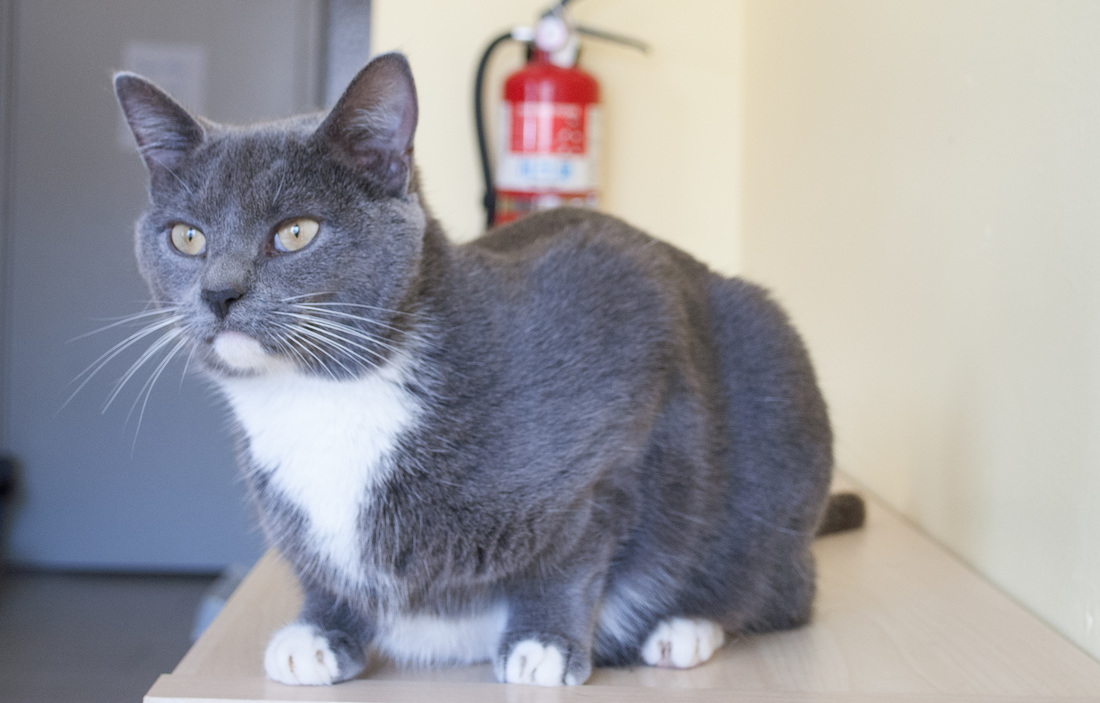
How will emergency personnel know to find and help your cat if a fire happens while you’re away? According to the National Fire Protection Association (NFPA), each year half-a-million pets are affected by home fires, and pets and wildlife accidentally start upwards of 1,000 fires in the home. In recognition of National Pet Fire Safety Day, here are some tips help keep your cat(s) safe from fire.

PREVENTION
  • Extinguish open flames - Cats are curious and love to investigate around the home. Be sure to put out candles, lanterns, fireplaces, incense, and bbq grills, and never leave cats unattended near open flames.
  • Protect stove nobs - The NFPA says that inadvertently turning on stove burners is a leading cause of accidental fires started by pets. Consider using covers or removing burner nobs when the stove is not in use.
  • Flameless candles - In comparison to a traditional candle, it’s much less likely that a small bulb in a flameless candle will start a fire when tipped over by a rambunctious cat. Give them a try as a safer alternative.
  • Electrical wires - For some cats, the urge to chew electrical cords is irresistible. Tie up loose wires and cords of household electronics and appliances, or use covers to keep cords out of reach (and bite!)
  • Glass on wood decks - A glass bowl can act just like a magnifying glass, and can focus the sun’s rays enough to start a fire on a wood deck. If your cat spends time outside with you, or if you provide food and water for community cats, consider using ceramic or stainless steel dishes instead.

IN CASE OF FIRE
  • Emergency plans - Plan ahead for a quick exit from the home. Practice escape routes WITH YOUR CAT and put together an emergency kit with items she’ll need for a few days. Extra food, dishes, medications, blankets and a carrier can all be gathered ahead of time and placed near exits. Always have the phone number of your vet and an emergency animal hospital on hand.
  • Communicating - Emergency personnel must be alerted to the presence of your cat. If you’re the one to call 911, tell the operator there are cats or other pets in the home that need rescuing, and tell first responders right when they arrive. Let neighbors know you have pets so that they can tell responders too, and consider putting static cling pet alerts in windows around the house. They’ll alert firefighters to the presence of cats in your home if you’re not there. You can get a free static cling alert from the ASPCA here.
  • Make rescue easy - When you’re away, confine cats to areas near entrances so firefighters can quickly and easily locate them, and try to block hidden or hard-to-reach hiding places. Carriers, harnesses, and leashes should be kept near entrances as well.

And always remember, the number one rule of home fire safety is to make sure you’ve got working smoke detectors, and are testing them every month. ​

Share

4 Comments
Lorraine beyer
9/13/2016 06:44:27 pm

I am glad I noticed your website. Thank you so much. I live on the island of Kauai in Hawaii. I am retired and would volunteer in any way possible. Aloha

Reply
ЗАРАБ0Т0К В ИНТЕРНЕТЕ ЭТО ПР0СТ0! link
10/25/2017 05:35:52 am

ЗАРАБ0Т0К В ИНТЕРНЕТЕ ЭТО ПР0СТ0!

Reply
Bridge Dale link
6/19/2023 01:15:02 am

When it comes to the safety of our beloved pets, being prepared for emergencies like a home fire is crucial. Taking proactive measures such as creating an evacuation plan and practicing it regularly can significantly save your cat's life. Additionally, having essential items like a pet carrier readily accessible and ensuring that your cat's identification is up to date can help reunite you with your furry friend in an unfortunate incident.

Reply
Tantra Bend link
5/18/2024 12:06:11 pm

Great readding your post

Reply


Leave a Reply.

Details

    Author

    Alley Cat Rescue is leading in the way in promoting humane and compassionate care for ALL cats.

    Archives

    December 2025
    November 2025
    July 2025
    June 2025
    March 2025
    February 2025
    June 2024
    April 2024
    January 2024
    December 2023
    October 2023
    January 2023
    August 2022
    July 2022
    June 2022
    March 2022
    February 2022
    October 2021
    September 2021
    August 2021
    July 2021
    June 2021
    May 2021
    July 2020
    June 2020
    May 2020
    April 2020
    March 2020
    February 2020
    January 2020
    December 2019
    November 2019
    October 2019
    September 2019
    June 2019
    May 2019
    April 2019
    March 2019
    January 2019
    December 2018
    November 2018
    August 2018
    July 2018
    June 2018
    May 2018
    April 2018
    March 2018
    February 2018
    January 2018
    December 2017
    November 2017
    October 2017
    August 2017
    June 2017
    November 2016
    August 2016
    July 2016
    June 2016
    May 2016
    April 2016

    Categories

    All
    Animal Welfare
    Australia
    Cat Rescue
    Legislation
    Safety
    TNR

    RSS Feed

Proudly powered by Weebly
  • Home
    • About ACR >
      • Our Team
      • History
      • Board of Directors
      • Email Sign-up
      • Financial Information
    • ACR in the Press
    • ACR Publications
    • Adoptions >
      • Adoption Application
      • Advice for Adopters
    • Frequently Asked Questions
    • Contact Us
    • Partnerships
  • Action Alerts
    • The Feral Fix
    • Spay Neuter Pledge
    • No Declaw Pledge
  • Spay/Neuter
    • Early Age Spay/Neuter
    • Misconceptions About Spay/Neuter
    • State Low Cost Spay/Neuter
  • Community Cats
    • What is a Feral Cat? >
      • Feral vs. Stray Cats
      • Benefits of Feral Cats
    • Trap-Neuter-Return >
      • TNR Step-by-Step
      • TNR/Community Cat Care Resources
      • Introduce TNR to Your Shelter
      • Solutions to Common Complaints
      • TNR Statistics
    • CAT Action Teams: TNR Groups by State
    • Feral Kittens >
      • What to do if you find kittens
      • Orphaned Kittens
      • Fostering Kittens
    • Providing Shelter
    • Health Care
    • Cat Overpopulation
    • Relocation
    • How to Adopt Out Cats
    • Protecting Cats During Winter
    • Protecting Cats During Summer
    • Feral Cats and the Law
    • Cats and Wildlife >
      • Why Eradication Methods Fail
    • Handbook 2023 Ed
  • Cat Health
    • Health Care for Your Cat >
      • Vet Care Financial Assistance
    • Common Cat Health Issues >
      • FeLV and FIV
      • Feline Panleukopenia
      • FIP
      • Rabies
      • Zoonotic Diseases
      • Indoor/Outdoor Cats
    • Cats & Claws
    • Animal Cruelty Against Cats
    • Poisonous Hazards >
      • Poisonous Plants
    • Cats and COVID-19
    • Pet Food Banks
    • Pet Disaster Preparedness
  • Cat Behavior
    • Solutions to Prevent Surrendering your cat >
      • Rehoming
    • Introducing Cats
    • Tips for Entertaining an Indoor Cat
    • Lost Cat
  • African Wildcats
    • AWC Conservation Projects
    • Press Release on African Wildcat Campaign
    • AWC Photo Contest
  • Donate
  • Store